
About the book
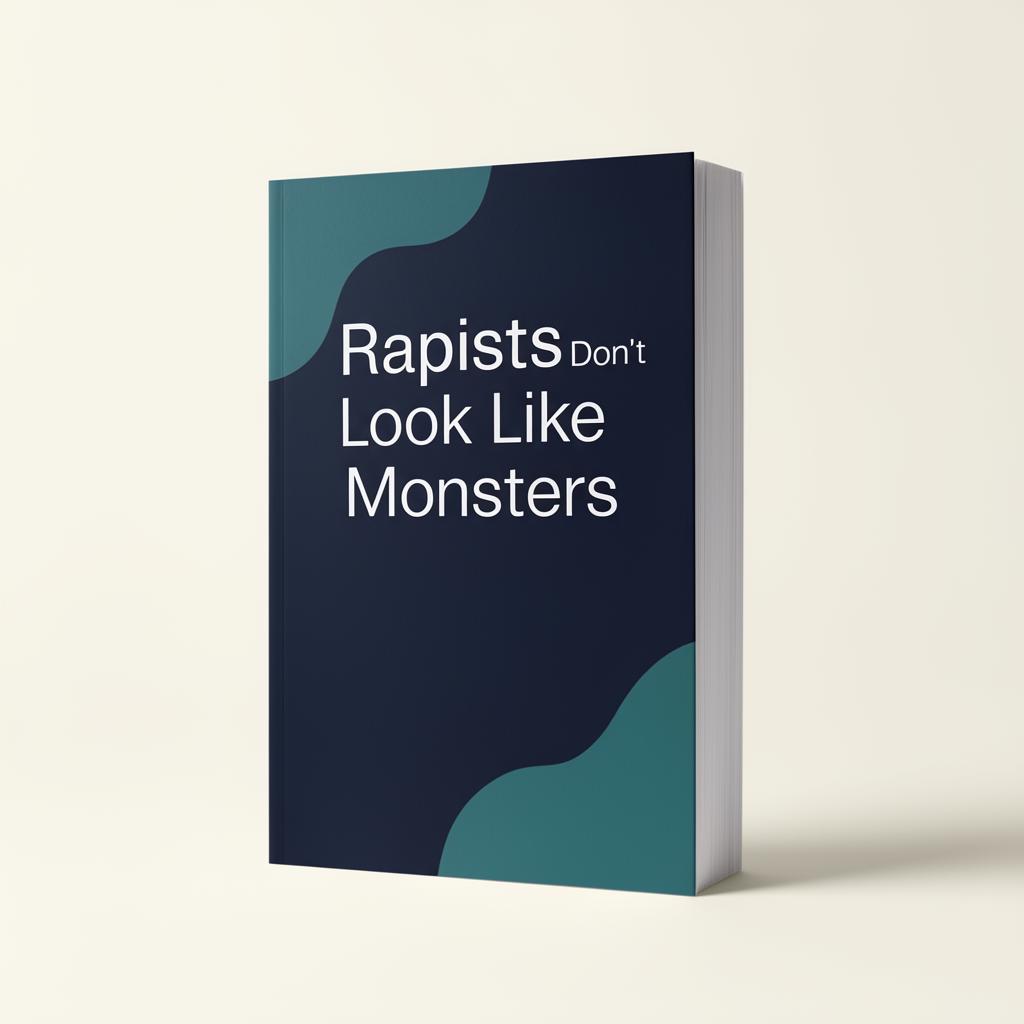
Rapists Don't Look Like Monsters
A practical guide that shifts the conversation from fear of strangers to awareness of behaviour — so prevention becomes possible.
Synopsis
For too long, we have pictured sexual abuse as something done by strangers lurking in the dark. Rapists Don't Look Like Monsters dismantles that myth. Most abusers are people known and trusted by the victim — family members, teachers, coaches, faith leaders, neighbours. When we stop looking for "monsters," we start seeing the real patterns of grooming, manipulation, and power misuse that hide in plain sight. This book shifts the conversation from fear of strangers to awareness of behaviour.
Prevention starts with knowledge. You will learn to recognise early warning signs, understand grooming tactics, and set clear boundaries before abuse occurs. It is written for parents, social workers, churches, schools, youth groups, and community leaders who want more than vague advice like "be careful." It gives concrete steps: how to talk to children about bodies and consent, how to spot concerning behaviour in adults, and how to create homes and programs where children feel safe to speak up. When communities know what to look for, predators lose their cover.
Note for Zambian Readers
This book was originally written with reference to South African law. If you are reading this in Zambia, please turn to Annex A at the back of the book for guidance on applying the content within the Zambian legal and service context.
Key themes
- Dispelling the 'monster' myth — recognising abusers as known, trusted adults
- Grooming tactics, manipulation and power misuse
- Age-appropriate conversations on bodies, boundaries and consent
- Warning signs in adults and changes in children
- Creating safe homes, schools, churches and youth programs
- Reporting pathways within the South African legal system
About the author
Written by a Southern African child-protection advocate with years of work alongside social workers, schools, faith communities and survivors, the book draws on lived experience and frontline practice to offer guidance that is both grounded and actionable.
Early voices
"Honest, practical and deeply needed. This belongs in every staff room and every parent's hands."
"Finally, a resource that names what we see in our work — without sensationalism."